Horde War: Summon of Avengers
- 4.4
- Rating
- 50.00K
- Installs
- Free
- Price

 Analysis by App-foxy
I approached Horde War: Summon of Avengers as a card game for short tactical sessions rather than as a quick reflex challenge. Its central idea is easy to understand: gather scattered tribal heroes, build a fighting group, and guide that tribe through battles. That premise gives the game a clear identity, but the real question is whether the experience feels comfortable during everyday play, especially when a card game becomes more demanding as a collection grows.
JoyTogether Games presents it as a free game for players aged Everyone 10+, with optional purchases ranging from $0.99 to $99.99 per item. The game has reached over 50 thousand installs and holds a 4.4 average from around 14 thousand ratings, which suggests that its basic concept has connected with a respectable early audience. I would still treat those figures as a starting point rather than a guarantee that every device or play style will feel equally smooth.
How Horde War feels during ordinary play
I find Horde War most interesting when I treat a session as a small experiment rather than a push to collect as much as possible. This section looks at how choosing a direction, watching the result, and deciding what to adjust can make ordinary play feel more purposeful. It also sets up the question of what keeps that cycle inviting over time.
You May Also Like

 Pandora - Music & Podcasts
Pandora’s Music Is Easy to Start, but Harder to Recover
Pandora’s strength is its low-effort path from a seed to a station. Its weak spot is how much confidence it asks you to place in connection, setup, and quiet recovery.

 AccuWeather: Weather Radar
AccuWeather Review: A Quick, Clear Forecast for Everyday Decisions
For everyday plans, the best forecast is the one you can understand quickly. AccuWeather makes rain timing, radar, and local conditions easy to act on, with a few trade-offs.

 Hill Climb Racing
Why Hill Climb Racing Still Turns Crashes Into One More Run
A tiny car, a bumpy hill and one more upgrade: Hill Climb Racing keeps resurfacing because its simple chaos makes every near-miss feel personal.

 AliExpress - Shopping App
AliExpress Makes Global Shopping Feel Personal, but Shoppers Bear the Risk
AliExpress turns a global marketplace into a pocket-sized discovery engine. Its reach is useful, its shopping loop compelling, and its trade-offs easy to miss.

 Lords Mobile: Kingdom Wars
Lords Mobile Is a Kingdom-Building Routine, Not a Quick Match
A case-by-case verdict on the building, battles, device demands, and social commitments that make Lords Mobile rewarding for some players and exhausting for others.

 PDF Scanner app - TapScanner
TapScanner Makes Paperwork Easier to Capture, Check, and Share
TapScanner makes scanning with a phone feel less like a rescue operation and more like a dependable step in getting work done. Its capture tools are useful, though not flawless.
More From Our News Desk
View All News


Fast to start, but not designed as a mindless card game
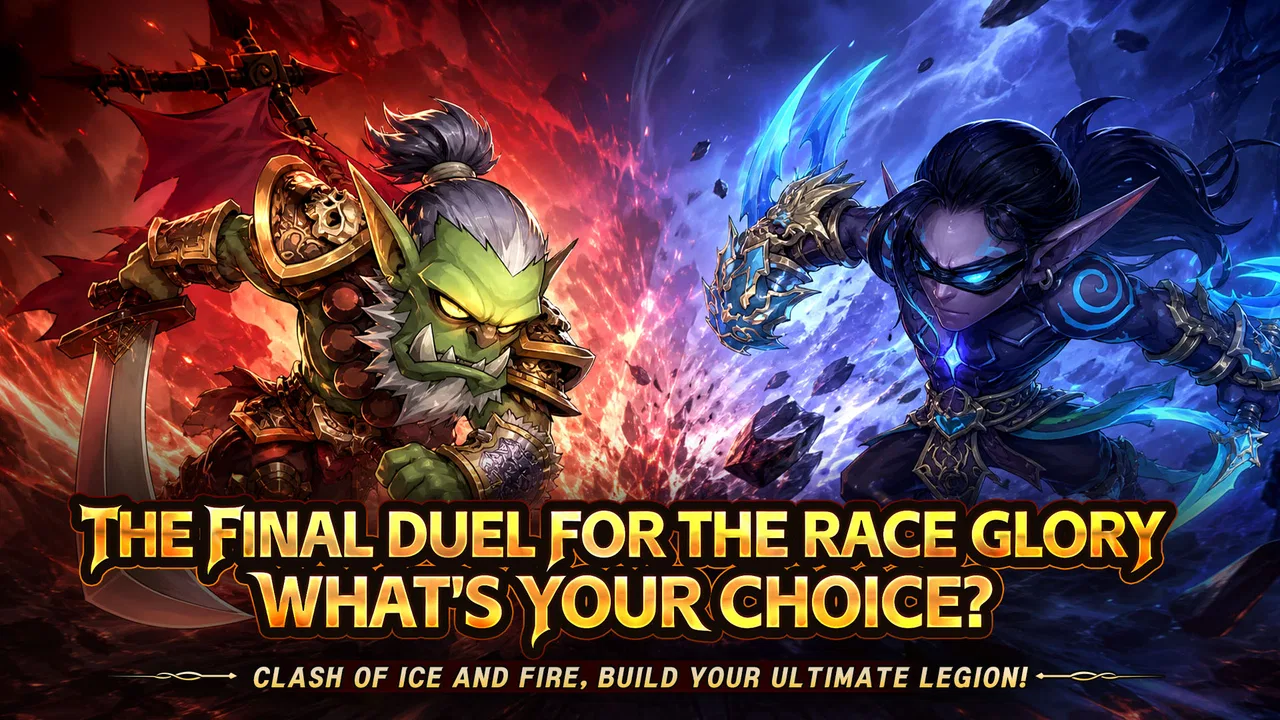
The first thing I noticed about the concept is that it encourages a different rhythm from traditional digital card games built around familiar decks or direct player-versus-player matches. Here, the appeal comes from assembling a tribe from heroes and deciding how those pieces should work together in battle. That makes the game more suitable for players who enjoy gradual improvement and tactical choices than for someone looking for a simple game of chance.
In a normal session, I would expect the most satisfying moments to come from preparing a group before a fight, noticing which heroes complement one another, and adjusting after a disappointing result. The game’s speed is therefore not only about how quickly a battle loads. It is also about how much time the player spends making useful decisions between battles. A good card game can feel brisk even when the strategy is deep, provided that each screen and choice has a clear purpose.
The tribal theme helps give those decisions more character than a completely abstract collection of cards. I find that useful because it gives a reason to care about the heroes beyond their individual strength. If you enjoy collecting characters and gradually shaping a team around them, this premise is more inviting than a bare numbers-based deck builder.
On the other hand, players who prefer a highly transparent ruleset may need patience at the beginning. A game based on summoning heroes can become confusing if the relationship between a new character, the wider tribe, and the battle plan is not immediately obvious. My practical advice is to resist spending resources as soon as a new option appears. First, learn which kinds of heroes you actually enjoy using and whether a new summon improves your current approach rather than merely adding another name to the collection.
Where the game can become demanding
The heavier moments in a card game usually arrive when several systems meet: a growing hero collection, more complicated battles, and repeated decisions about where to invest limited resources. Horde War is most interesting precisely in that space, because summoning alone would not be enough to sustain a long-term game. The player needs to think about the role each hero plays and whether the tribe is becoming more coherent or simply larger.
I would approach these moments with a simple routine. Before starting a difficult encounter, review the group as a whole instead of focusing only on the newest or most impressive-looking hero. A balanced collection is often more useful than a pile of individually attractive cards. Keeping a small note of which combinations have worked can also prevent unnecessary experimentation, particularly when you return to the game after a few days away.
This is one of the less obvious strengths of the design: it can turn a short battle into a test of preparation. The meaningful decision may happen before the fight begins, when you choose whether to strengthen a familiar plan or try a less comfortable arrangement. That makes the game a better fit for thoughtful players than for people who want every result to depend on a quick tap.
There is also a trade-off. Collection-focused card games can make progress feel slower when the player is waiting for a particular hero or trying to improve a weak part of the tribe. The free entry point is attractive, but the optional purchase range means that some players may feel pressure to spend in order to speed up progress. I recommend treating purchases as entirely optional until you understand the game’s normal pace. If the core loop is not enjoyable without acceleration, spending more will not solve the underlying problem.
A realistic everyday session
Imagine having a short break in the afternoon. Horde War could fit that moment if you want a game that lets you make a few strategic decisions without committing to a long story chapter. I would open it with a specific goal: test a different hero arrangement, improve one weak area, or see whether a newly summoned character changes the tribe’s balance. That goal keeps the session focused and makes it easier to stop without feeling that I have left an important task unfinished.
A longer evening session would feel different. I would spend more time comparing heroes, revisiting earlier choices, and deciding whether a resource should go toward immediate strength or future flexibility. This is where the game can become absorbing, but it is also where the design may feel repetitive to players who want constant new environments or a strong narrative campaign.
The game seems best suited to people who enjoy returning to the same collection and gradually refining it. It is less suitable for someone who wants a one-time, self-contained experience or a card game that can be mastered in a single sitting. That distinction matters more than the broad label of “card game,” because Horde War’s appeal depends on the pleasure of ongoing improvement.
Reliability and returning after a break
For me, reliability in this kind of game means more than avoiding crashes. It also means being able to understand where I left off, remember which heroes mattered, and continue without rebuilding my plan from memory. A collection-based game should make returning feel natural. If I played during a busy week, I would want to resume with a clear sense of my current tribe and the next sensible objective.
The current release is version 1.0.10, so I would keep expectations realistic about the maturity of the experience. That version number does not tell me how the game behaves on every phone, but it does make it sensible to check that the installed build is current before judging a problem as permanent. Early versions can also change the balance between heroes, which means a strategy that works today may need adjustment after an update.
My best recovery habit would be to avoid making several major changes at once. If a battle suddenly feels worse, change one part of the group, test it, and then decide what to do next. That approach makes it easier to identify whether the issue is a weak hero, an unsuitable combination, or simply a battle that requires a different style of preparation. It is more reliable than replacing the entire tribe after one loss.
The same principle applies after a long absence. Rather than spending immediately on new summons, I would first replay a familiar encounter or examine the current group. This gives a useful reference point and reduces the chance of wasting resources while trying to remember how the game works. It is a small workflow, but it makes a collection game feel much less chaotic.
Device expectations and resource awareness
Horde War supports devices running Android 7.0 or later. That makes it accessible to a broad range of Android phones, although operating-system support alone cannot predict how comfortably the game will run on older hardware. A newer phone may handle transitions and extended sessions more comfortably, while an older device may be more sensitive to heat, available storage, or other apps competing for memory.
I would install it on a phone with enough free space for the game and future updates, then close demanding apps before a longer session if the device is older. This is not a claim that the game requires unusual hardware; it is simply a sensible precaution for any collection game that may involve repeated screens, artwork, and ongoing account progress. If your phone already struggles with ordinary games, you should not assume that the minimum operating-system requirement means the experience will be effortless.
Battery use is another practical consideration. Short card battles are usually easier to fit into a day than long action sessions, but repeated summoning, browsing, and battles can still turn a brief break into a longer play period. I would avoid judging the game from one extended session on a warm device. Instead, notice whether it remains comfortable during the way you actually plan to play: a few minutes at a time, or a longer evening routine.
Players on limited mobile data should also be deliberate about when they install updates or download the game. I would use a stable connection for setup and updates, especially because an interrupted installation can create confusion that looks like a gameplay fault. Once installed, the most important test is whether the game remains responsive while moving between collection management and battles on your particular phone.
How it compares with familiar card-game alternatives
Compared with a classic digital card game based on a standard deck, Horde War offers a more character-driven reason to keep playing. You are not only thinking about the value of an individual card; you are also building a tribe of heroes. That makes it a stronger choice for players who like collecting and team-building, while a traditional card game may be better for someone who wants rules that resemble a physical tabletop deck.
It also differs from fast competitive card games. If your main goal is to challenge other players, measure yourself against a ranking system, or win through rapid tactical reactions, another game may suit you better. Horde War’s stated focus on summoning tribal heroes and leading them into fights points toward a more collection-oriented experience. I would choose it for planning and progression, not because I expect it to replace a dedicated competitive card battler.
Compared with a role-playing game, the card format should make the experience easier to approach in short sessions. You can focus on the heroes and the decisions around them without needing the same level of movement or real-time control found in an action RPG. The compromise is that the battles may feel less dramatic to players who want exploration, dialogue, or direct control of a character.
That comparison also explains who should skip it. If you dislike repeated collection decisions, optional purchases, or the idea of improving a group over time, the tribal theme may not be enough to hold your attention. I would also look elsewhere if you want a completely offline-feeling card experience with no sense of ongoing progression. Horde War is built around the appeal of developing a roster, and that structure will not suit everyone.
Practical habits that make the experience better
My first recommendation is to define a main plan for the tribe before chasing every new summon. A new hero is exciting, but a collection becomes useful when its members support a clear approach. Keep the group stable long enough to understand its strengths, then make one controlled change. This turns each battle into a learning exercise instead of a random sequence of replacements.
Second, separate experimentation from progress. Use familiar heroes when you want a dependable result, and reserve unusual combinations for moments when you have time to observe what happens. That distinction is especially helpful for players who only have a few minutes. It prevents a short session from becoming frustrating because every available attempt was spent testing an unprepared arrangement.
Third, set a personal spending boundary before using the optional purchase system. The available items range from $0.99 to $99.99, so the difference between a small impulse purchase and a major expense is significant. I would never use a purchase simply to recover from one poor battle. Decide whether the game is enjoyable at its free pace first, and only consider spending if it adds convenience without changing your enjoyment or your budget.
Finally, treat version changes as a reason to reassess rather than panic. If a familiar plan stops working after an update, test the same heroes in a simpler encounter and adjust gradually. Collection games can feel unstable when the player changes too many variables at once. A measured approach protects both your resources and your understanding of the tribe.
My performance verdict
Horde War: Summon of Avengers is most convincing as a character-collecting card game for players who like preparing a group, testing combinations, and returning to improve a tribe over time. Its free entry, Everyone 10+ rating, and Android 7.0 support make it easy to consider, while the 4.4 average and growing install base show that the basic idea has found an audience.
I would recommend it to a friend who enjoys gradual card-based progression and wants something that can fit both a short break and a longer planning session. I would not recommend it to someone seeking a purely competitive battler, an action-heavy adventure, or a game with no pressure around optional purchases. The strongest way to play is to move slowly: learn the heroes, change one decision at a time, and avoid paying to rush before you know whether the core loop suits you.
My overall impression is positive but measured. The tribal hero premise gives the game a more personal identity than a generic deck builder, and its best moments come from making a prepared group work better than expected. Its main friction is the familiar tension of collection games: progress can become less satisfying when the player focuses too much on acquiring rather than understanding. If you enjoy that long-term process, this is a worthwhile free card game to try; if you want immediate variety and uncomplicated matches, a conventional alternative will probably feel more comfortable.
FAQs for Horde War: Summon of Avengers
01What is Horde War: Summon of Avengers about?
Horde War: Summon of Avengers is a mobile strategy RPG centered on collecting heroes, building a powerful team, and battling waves of enemies. Players summon characters with different classes and abilities, improve their equipment, and use tactical formations to overcome campaign stages and other challenges. The game combines automated combat with team-building decisions, so choosing the right heroes and upgrades is often more important than simply tapping through battles.
02Is Horde War: Summon of Avengers free to download and play?
The game is generally available as a free download, allowing players to begin without paying an upfront purchase price. However, it may include optional in-app purchases for premium currency, summons, upgrade materials, bundles, or other time-saving items. Free players can usually make progress through regular play, daily rewards, events, and missions, although advancing faster or obtaining specific heroes may require patience or additional spending.
03Does Horde War: Summon of Avengers require an internet connection?
An active internet connection is typically needed for the main features of Horde War: Summon of Avengers. Online access may be required to load your account, synchronize progress, claim event rewards, summon heroes, and participate in competitive or cooperative content. Because requirements can change after updates, players should not assume that every mode works offline. A stable Wi-Fi or mobile-data connection is recommended for smoother gameplay.
04Is the game suitable for beginners who are unfamiliar with strategy RPGs?
Horde War: Summon of Avengers is reasonably accessible to newcomers because its early stages introduce summoning, hero upgrades, formations, and combat gradually. Battles may include automated actions, but beginners still need to understand team roles, positioning, strengths, and weaknesses. New players should avoid spending premium resources immediately and instead follow the tutorial, complete introductory missions, and save materials until they understand which heroes best fit their preferred strategy.
05What should players know about progression and in-app purchases?
Progression usually depends on collecting heroes, improving levels, upgrading skills, and obtaining better equipment or resources. Some content can be completed through consistent daily play, but the summoning system and limited-time offers may encourage spending. Results from summons can involve random rewards, so purchases do not always guarantee a particular character. Players should review the store carefully, set a personal budget, and check whether parental controls are enabled before buying.
Pros
- Fast-paced battles that are easy to learn for new players.
- Large roster offers plenty of team combinations to experiment with.
- Short sessions work well for playing during brief breaks.
- Regular rewards help maintain progress without constant purchases.
- Distinct hero abilities make battles feel varied and strategic.
Cons
- Progress can slow considerably after the early stages.
- Duplicate heroes may be frustrating when building a stronger team.
- Frequent menus and notifications can make the interface feel cluttered.
- Some upgrades require substantial time or repeated resource farming.
- Online features may be limited by connection quality or server issues.

Horde War: Summon of Avengers
Gallery